
Where Experiments Meet Empathy: Elevating STEM Labs with Human Skills

Today we explore integrating soft skills into STEM labs, revealing how communication, collaboration, empathy, ethics, and reflective practice transform rigorous experiments into meaningful learning. Expect practical moves, vivid classroom stories, and prompts you can try this week. Share your experiences in the comments and subscribe if you want more evidence-informed ideas that make lab benches feel brighter, braver, and far more effective.

Communication That Makes Data Speak

Technical Writing That Clarifies Discovery

Invite students to draft methods as if strangers must replicate their work in a different building with unfamiliar equipment. Encourage specificity about settings, calibrations, and sample handling, then trim excess words. Many educators report that replication errors shrink when method sections follow agreed style guides and include uncertainty estimates. Strong writing does not hide limitations; it flags them clearly so future investigators can refine, not repeat, the same avoidable mistakes.

Presentations That Persuade Without Hype

Turn presentations into honest consultations rather than performances. Coach students to lead with the question, place results in context, and preview constraints before celebrating wins. Encourage slide titles that deliver claims, not labels, and data visuals that spotlight comparisons over decoration. When students rehearse with peer feedback protocols, they learn to anticipate tough questions graciously, adjust pacing, and close with actions stakeholders can take tomorrow, not someday.

Data Storytelling for Real Audiences

Data stories gain power when they answer someone’s actual need. Assign each team an authentic audience: a school green club, a local clinic, or a campus facilities group. Students learn to translate scatterplots into choices those audiences must make, foregrounding uncertainty while offering pathways forward. The resulting sense of relevance increases diligence around units, scales, and outliers, because the numbers are no longer abstract—they guide consequential decisions.

Collaboration That Accelerates Learning

Strong teams do not happen by accident; they are designed. Structure roles, clarify norms, and practice conflict skills before the pressure spikes. Labs thrive when students rotate responsibilities, document decisions, and keep psychological safety high enough to admit errors early. Instructors often notice that throughput rises as egos calm and curiosity takes the lead. Collaboration is the instrument that tunes diverse expertise into a coherent, resilient sound.

Roles, Rotations, and Shared Ownership

Assign rotating roles—lead investigator, data steward, safety monitor, and skeptic-in-residence—so every learner practices different lenses. Provide short checklists and exit tickets for each role to capture decisions, deviations, and doubts. Over several iterations, students see how inclusive ownership reduces bottlenecks, because knowledge is distributed and onboarding becomes smoother. Rotations also surface hidden talents, revealing quiet planners and careful calibrators who might otherwise be overlooked.

Constructive Conflict and Psychological Safety

Model disagreement as a gift to quality. Teach sentence starters that separate people from problems, like asking for stronger evidence or exploring alternative mechanisms. Establish a norm that anyone can call a pause when safety, bias, or assumptions feel shaky. In reflective debriefs, celebrate those who question consensus and catch subtle flaws. When safety rises, so does the willingness to share half-finished ideas that later become breakthroughs.

Critical Thinking, Reflection, and Bias Awareness

{{SECTION_SUBTITLE}}

Question Framing and Hypothesis Discipline

Strong experiments begin with crisp questions bounded by measurable outcomes. Teach students to write falsifiable hypotheses and identify variables they will hold constant. When a team reframes a vague claim into testable language, planning becomes sharper and resources stretch further. Framing also prevents fishing expeditions: if new patterns appear, they document them as exploratory leads rather than retrofitting the original hypothesis after peeking at results.

Metacognitive Checkpoints and Lab Journals

Ask students to pause and write: What surprised us? What could be wrong? What is the smallest next step to learn the most? These short reflections, affixed to lab journals, produce traceable reasoning that evaluators can follow. Over time, patterns emerge—common blind spots, recurring measurement slips, or calibration drift—prompting process fixes. Reflection is not indulgence; it is a maintenance routine for thinking under uncertainty.

Ethics, Empathy, and Societal Impact in the Lab

Scientific skill carries responsibility. Embed ethical reasoning alongside technique so students learn to anticipate consequences before they build. Human-centered methods—interviews, observations, and consent practices—make prototypes kinder and safer. By examining environmental and social impacts early, teams avoid rework and earn public trust. When learners see people affected by their designs, motivation deepens, and accuracy ceases to be merely correct—it becomes compassionate, careful, and accountable.

Human-Centered Prototyping and Stakeholder Interviews

Guide students to conduct short, respectful interviews with stakeholders who might use or be affected by their work. Encourage paraphrasing, open questions, and consented recording. Insights often reshape requirements, simplifying designs while improving fit. When prototypes return for a second round, learners notice fewer edge-case failures because real constraints surfaced earlier. Empathy here is not sentiment; it is method, shaping specifications with lived realities rather than assumptions.

Safety, Consent, and Responsible Data Use

Treat safety documents and consent forms as living agreements, not paperwork hurdles. Discuss what data will be collected, where it will live, who accesses it, and how long it persists. Include scenarios about secondary use and reidentification risks. Students practice articulating these boundaries clearly to participants, strengthening trust. Responsible handling turns caution into culture, reinforcing that scientific curiosity flourishes best within ethical, consent-driven guardrails everyone understands.

Project Management for Scientists and Engineers

Time, resources, and attention are finite in every lab. Lightweight project management turns chaos into cadence without smothering creativity. Visual boards make work visible, brief stand-ups surface blockers, and small milestones reduce risk. By practicing planning and retrospective routines, students discover that reliability is not dull—it is liberating—because predictable rhythms free cognitive bandwidth for the hard problems only humans can solve thoughtfully together.

Measuring What Matters: Assessment of Human Skills

{{SECTION_SUBTITLE}}
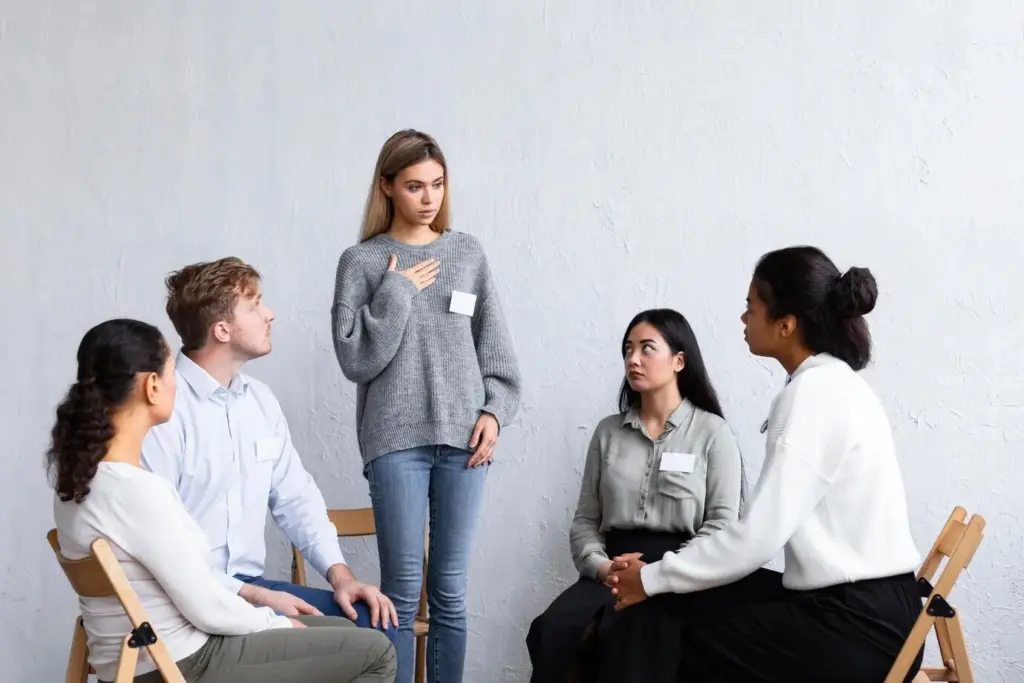
Rubrics that Map Behaviors to Evidence
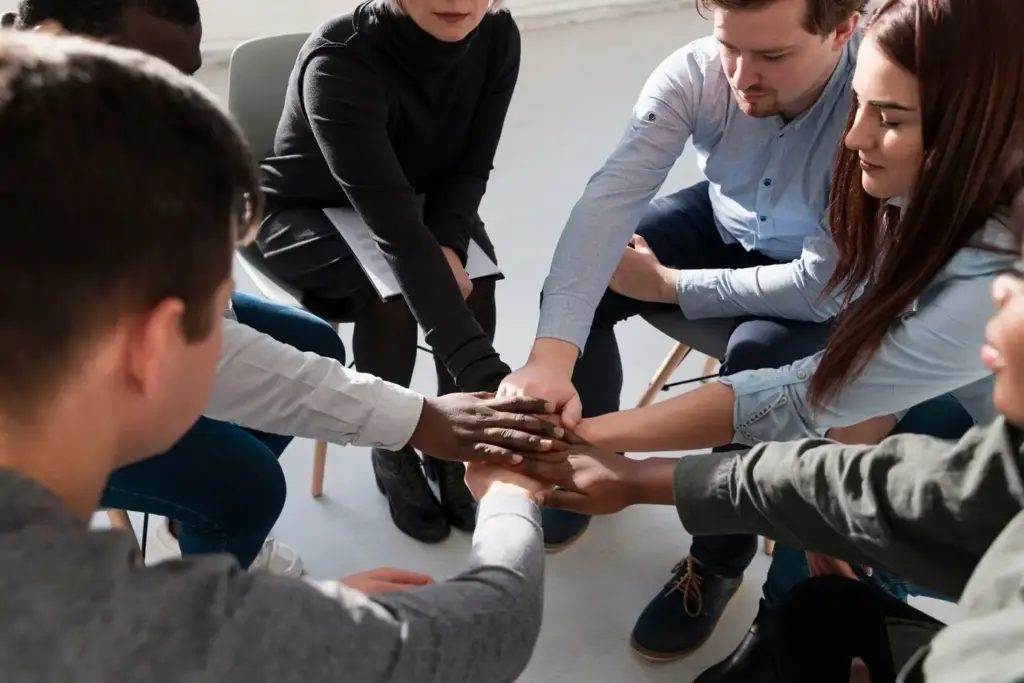
Translate broad ideals like collaboration into concrete descriptors: invites input, documents decisions, responds to critique, and resolves disagreements constructively. Anchor levels with examples drawn from lab artifacts—meeting notes, version histories, and annotated graphs. When students see exactly what counts, they self-monitor and request feedback earlier. Rubrics become guides rather than gotchas, turning grading into coaching that highlights progress while illuminating the next achievable leap.

Peer Review, 360 Feedback, and Team Contracts

Structure periodic peer reviews with prompts that target behaviors, not personalities. Combine self, peer, and mentor perspectives into short, actionable notes. Team contracts set norms and consequences, making feedback predictable rather than personal. Over time, learners experience accountability as supportive, because expectations were co-authored. These cycles strengthen trust and pinpoint small adjustments—meeting punctuality, clearer task handoffs, or more respectful debate—that compound into resilient, high-functioning groups.
Rapemufanerofifuni
Privacy Overview

This website uses cookies so that we can provide you with the best user experience possible. Cookie information is stored in your browser and performs functions such as recognising you when you return to our website and helping our team to understand which sections of the website you find most interesting and useful.